

BuyHome.ge
+995 595 33 78 33


How to Choose a Building in the Center: Elevator, Parking, Yard, Management
How to Choose a Building in the Center: Elevator, Parking, Yard, Management
How to choose a city-centre home without surprises 🏙️
Buying in the city centre means balancing convenience, safety and future resale value. Focus on four key aspects: lift, parking, yard and property management. This guide gives practical checks and real-life tips to make a confident decision.
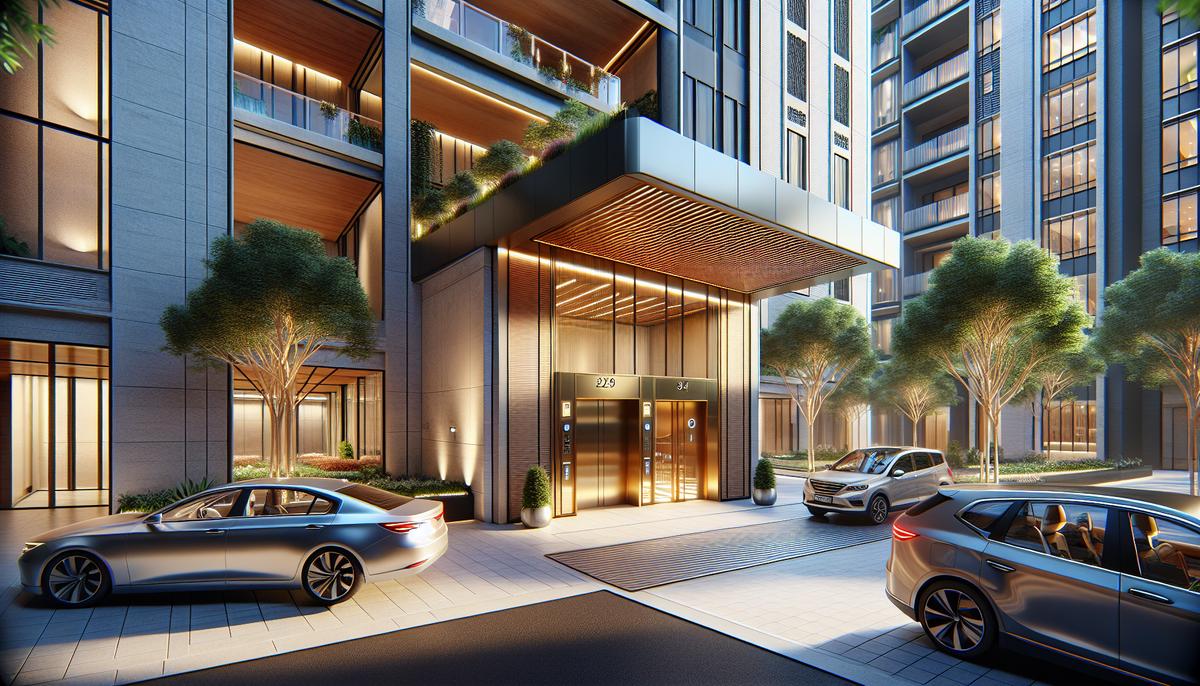
1) Elevator — comfort and accessibility 🛗
- Check the cabin condition and door operation; appearance often reflects maintenance habits.
- Make sure there is an emergency call button and ask how fast the service responds.
- For older buildings, ask about plans for modernization or replacement of elevators — it can affect future costs.
- Consider capacity if you expect high traffic or need to move large items frequently.
Tip: for families with strollers or older residents, a reliable, roomy lift is often a higher priority than decorative upgrades in the corridor.
2) Parking — what to expect 🚗
- Clarify if parking is assigned, how guest parking is handled, and what enforcement exists for unauthorized cars.
- Note the type of parking — street-level, underground or paid nearby. Underground parking increases convenience but has specific maintenance needs.
- Ask about electric vehicle charging infrastructure and the possibility to install a charger.
- Check lighting and surveillance in parking areas for safety.
Practical check: Observe the parking situation during evenings or busy hours, when shortages become obvious.
3) Yard and common spaces — everyday comfort 🌳
- Assess the yard size, landscaping and amenities like playgrounds or seating areas.
- Find out the schedule for cleaning and winter maintenance — these affect daily comfort and accessibility.
- Understand rules for shared spaces: bike storage, drying laundry, barbecues and pets.
- Well-lit public areas and tidy waste collection points improve safety and hygiene.
Example: a small but well-maintained courtyard with places to meet neighbours often feels much more pleasant than a larger but neglected space.
4) Property management — who keeps the building running 🛠️
- Learn which company or homeowners association manages the building and how fees are calculated.
- Ask about routine maintenance plans, complaint procedures and typical response times.
- Transparency in expenses and an established reserve fund indicate responsible management.
- Check neighbours feedback and meeting minutes to see how issues are resolved in practice.
Advice: Review the management contract or association rules before committing — it helps reveal responsibilities and potential liabilities.
Viewing checklist ✅
- Elevator: cleanliness, unusual noises, functionality of emergency systems.
- Parking: assigned spots, access routes, lighting, CCTV.
- Yard: greenery, play areas, cleanliness, container locations.
- Management: contacts, response time, financial transparency.
- Noise and transport access: where windows face and peak-hour traffic.
- Neighbourhood and building age — consider likely renovation needs.
Decision scenarios — matching priorities to lifestyle
- Car owners should prioritise reliable parking and good driving access.
- Families often need a secure yard and child-friendly spaces.
- Older adults and mobility-impaired buyers need dependable elevator service and responsive property management.
- Investors should assess liquidity factors: a well-managed building with tidy common areas is easier to rent or resell.
Final tips before you buy 📝
- Visit at different times of day and on weekends.
- Talk to residents and building staff to learn about everyday life in the block.
- Request recent management reports and meeting minutes.
We can help you choose the right property 🤝
If you are searching for a city-centre home and want to consider all these details, our team will arrange inspections, check documents and find homes that match your needs. Browse listings at https://buyhome.ge/en/search or contact us for personalized support.
Get in touch — we will help you find a comfortable, well-managed home that suits your lifestyle.
Date added: 28.12.25
Related articles



Related categories

New Boulevard
New Boulevard in Batumi is one of the fastest-growing seaside areas: infrastructure, new developments, property prices, and investment prospects.

Old Town
Old Town Batumi is the historic city center with unique architecture and atmosphere: housing features, prices, rentals, and investment opportunities.

City Center
Batumi City Center is the most in-demand area of the city, offering strong infrastructure, business and tourist activity, stable rental demand, and high property liquidity.

Airport area
Batumi Airport area is a fast-developing district with new residential projects, improving infrastructure, and strong potential for property price growth.
Benefits of buying property on BuyHome.ge

Best property prices
No commission for buyers
Up-to-Date Properties on the Website
Free property selection
Free transaction support
Free expert consultations

Submit a Request
for a Consultation!

2026 © All rights reserved