

BuyHome.ge
+995 595 33 78 33


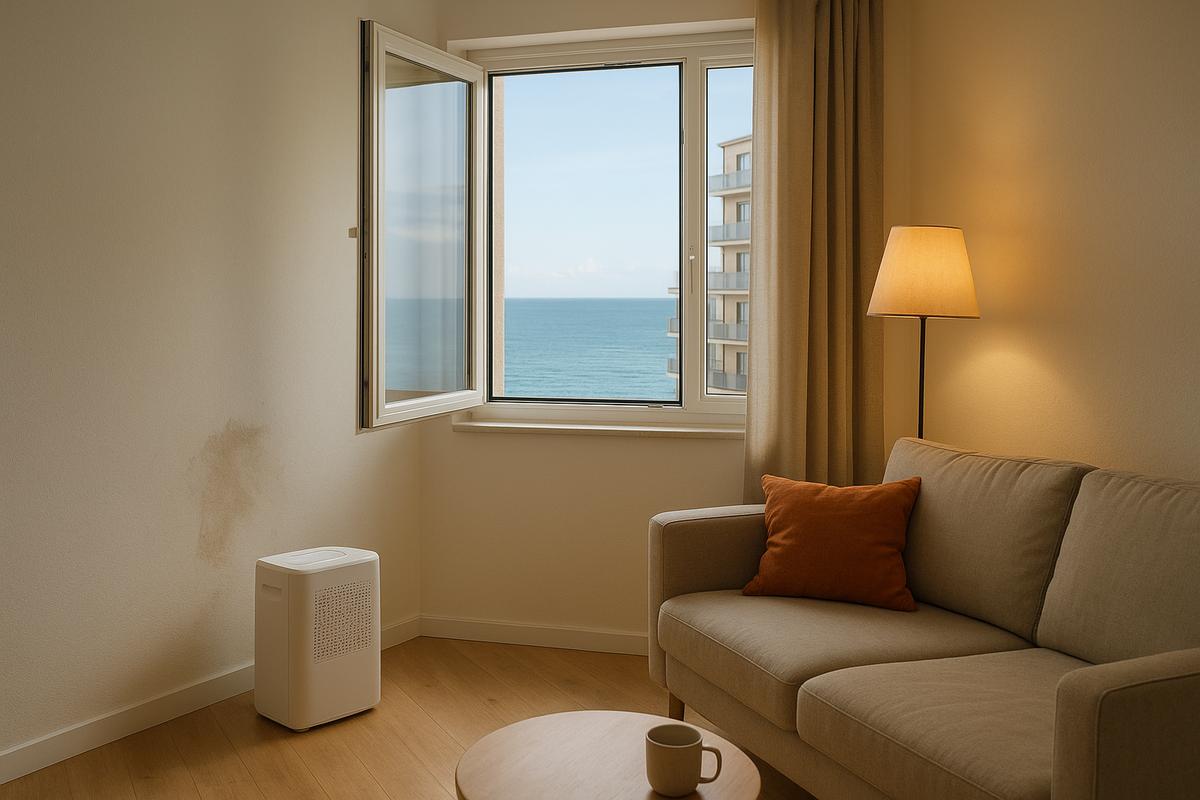
Coastal Humidity and Mold: How to Protect a Central Batumi Apartment
Coastal Humidity and Mold: How to Protect a Central Batumi Apartment
Sea Humidity and Mold: How to Protect a City Centre Apartment 🌊
Living near the sea gives great views and lifestyle perks, but the higher air moisture increases the risk of condensation and mold, especially in city-centre apartments. This guide offers practical, step-by-step advice for buyers, investors and people planning to live in Georgia’s coastal cities.
Why seaside apartments are more vulnerable
- Sea air naturally carries more moisture and salt particles that accelerate corrosion and damp marks.
- Central urban buildings are often older and may lack adequate waterproofing or ventilation.
- Balconies and lower floors can collect moisture from outside or poor drainage.
What to check when viewing a property 🕵️♀️
- Inspect walls near windows, balconies and plumbing for stains, flaking paint or salt deposits.
- Check window sills and frames for dark spots or swelling in corners.
- Ask about the building’s history: past leaks, façade repairs, and drainage fixes.
- Test ventilation: is there an extractor in the bathroom and kitchen, and does air move through corridors?
- Consider layout: an apartment with cross-ventilation and few enclosed nooks is easier to keep dry.
Quick actions after moving in ✅
- Ventilate regularly: short, effective airing sessions after showers or cooking help a lot.
- Use kitchen and bathroom exhaust fans consistently to remove humid air at the source.
- Place moisture absorbers in wardrobes and on the balcony to reduce dampness in small spaces.
- Avoid drying laundry inside living rooms; use a balcony or a ventilated drying area.
Repairs and materials worth investing in 🛠️
- Proper waterproofing of balcony slabs and exterior walls prevents moisture ingress beneath finishes.
- Vapour barriers between exterior walls and interiors reduce condensation on cold surfaces.
- Choose moisture-resistant finishes: ceramic tiles in wet zones and moisture-tolerant paints.
- Well-installed insulated windows and warm window sills reduce thermal bridges and condensation.
Simple mold prevention tips 🧽
- Inspect dark corners and storage regularly; treat small mold spots early with antifungal cleaners.
- Household measures like vinegar or alcohol remove fresh mold stains but don’t solve the moisture source.
- For heavy infestations, hire professionals — removal often requires replacing affected materials.
Engineering solutions for long-term stability ⚙️
- Mechanical ventilation with heat recovery controls humidity while saving energy.
- Dehumidifiers are effective during humid seasons or in poorly ventilated rooms.
- Proper façade insulation and modern windows reduce condensation risk and increase durability in a coastal climate.
Everyday habits to keep humidity in check 🌿
- Avoid overfilling rooms with furniture; air circulation reduces stagnant damp pockets.
- Air out wardrobes and shoes regularly after beach walks to prevent mold growth.
- Maintain a comfortable indoor temperature — warmer air holds more moisture but reduces surface condensation if combined with good ventilation.
If you find mold: immediate steps
- Document the problem with photos and notify the building management or seller.
- Identify and stop the moisture source: leaks, poor ventilation, or soaked materials.
- Clean affected surfaces and replace heavily damaged finishes.
- Consider professional remediation for persistent or widespread mold.
Buying and investing: practical examples
- Prefer upper floors with reliable ventilation and recent renovations when buying near the sea.
- For rental investors: include realistic maintenance costs for ventilation and moisture control in forecasts.
Final thoughts and support 🤝
Sea living is attractive, but requires attention to humidity and prevention. Most issues can be managed with regular maintenance, right materials and sensible habits.
If you are buying or evaluating a seaside apartment in the city centre, we can help with inspections and selecting properties that are easier to protect from moisture. Start your search here: https://buyhome.ge/en/search
Contact BuyHome — we’ll help you choose a property that suits seaside life with minimal moisture risk.
Date added: 19.06.26
Related articles




Related categories

New Boulevard
New Boulevard in Batumi is one of the fastest-growing seaside areas: infrastructure, new developments, property prices, and investment prospects.

Old Town
Old Town Batumi is the historic city center with unique architecture and atmosphere: housing features, prices, rentals, and investment opportunities.

City Center
Batumi City Center is the most in-demand area of the city, offering strong infrastructure, business and tourist activity, stable rental demand, and high property liquidity.

Airport area
Batumi Airport area is a fast-developing district with new residential projects, improving infrastructure, and strong potential for property price growth.
Benefits of buying property on BuyHome.ge

Best property prices
No commission for buyers
Up-to-Date Properties on the Website
Free property selection
Free transaction support
Free expert consultations

Submit a Request
for a Consultation!

2026 © All rights reserved