

BuyHome.ge
+995 595 33 78 33


Ground-Floor Commercial in a Complex: Benefits and Risks
Ground-Floor Commercial in a Complex: Benefits and Risks
Ground-floor commercial space in residential complexes 🏪
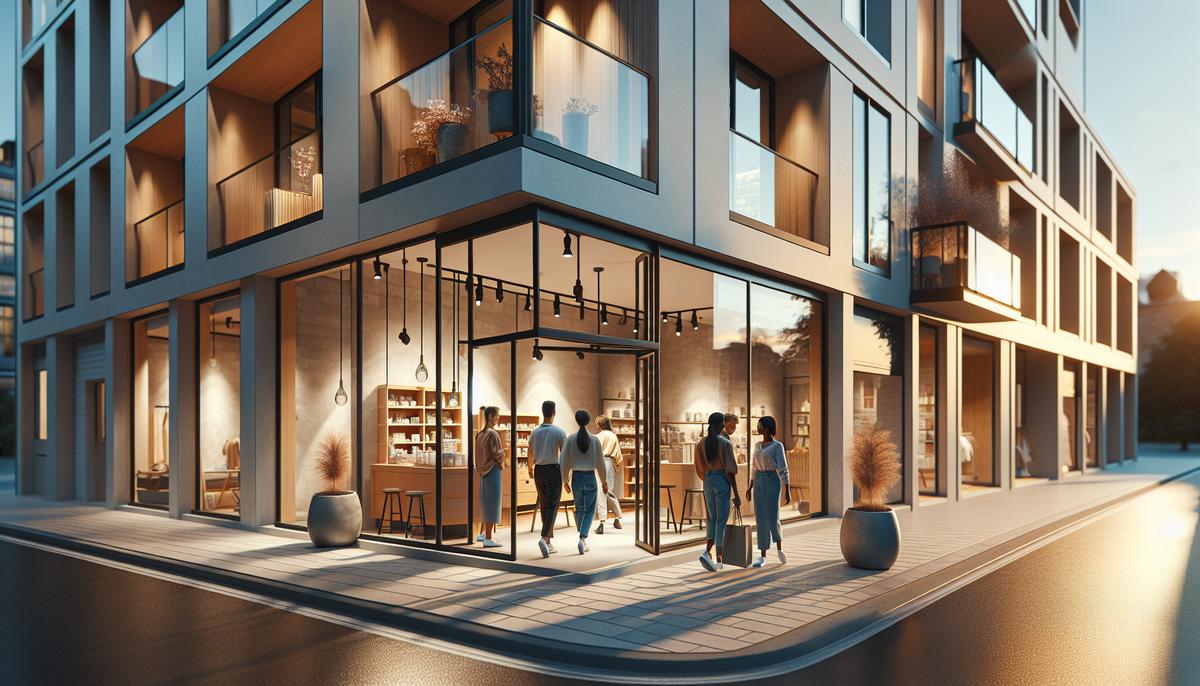
Commercial units on the ground floor of apartment buildings are a popular option for shops, cafés, clinics and small offices. They combine visibility with a built-in customer base, but come with legal, technical and community-related considerations that every buyer should know.
Why buyers and investors are attracted ✅
- Street-level visibility and easy access attract passers-by and local customers.
- Regular demand from residents provides a steady client base.
- Flexible use — retail, services, or offices depending on local rules and building infrastructure.
- Potential for rental income that helps cover holding costs or provides yield.
Key risks to consider ⚠️
- Legal constraints — zoning, building bylaws and house rules may limit commercial use.
- Nuisance issues — noise, odors and waste management can cause conflicts with residents, especially for foodservice.
- Logistics — lack of loading areas or parking reduces attractiveness for many tenants.
- Operational costs — separate meters, façade maintenance and signage permissions add expenses.
- Future restrictions — resident associations may later tighten rules or oppose certain uses.
How to evaluate a unit: practical checklist 🔍
- Legal status: ownership documents, permitted use, encumbrances and any lease history.
- Permissions and rules: local zoning, building management rules, and limits on opening hours or signage.
- Technical condition: entryway, ceiling height, ventilation, sewage and electrical capacity.
- Location and footfall: assess pedestrian and vehicle traffic at different times and nearby businesses.
- Neighbor impact: check apartment layouts nearby to avoid conflicts over noise or deliveries.
- Financials: realistic rent expectations, vacancy risk and contingency for repairs.
Use cases and scenarios 📋
- Convenience store — works well if there is good foot traffic and delivery access.
- Café or small restaurant — requires strong ventilation, grease traps and noise management.
- Clinic or salon — often less demanding technically but needs stable client flow and accessibility.
- Small office or coworking — suitable where daytime demand exists even without street footfall.
Practical tips to lower risk 💡
- Involve a lawyer to review property rights and restrictions before signing.
- Ensure any required ventilation or technical upgrades are feasible and costed in advance.
- Negotiate visible but compliant signage with the building management.
- Prefer tenants with proven track records and clear business plans to reduce conflict risk.
- Allocate budget for necessary adaptations and for a reserve fund covering unexpected repairs.
On balancing income and community impact 🤝
A well-chosen ground-floor commercial unit can be both a useful service for residents and a profitable investment. The key is to balance commercial potential with respect for the living environment: clear rules, good technical preparation and careful tenant selection make the difference.
If you are considering buying a ground-floor commercial property, BuyHome can help with legal and technical checks, market analysis and finding suitable tenants. Contact us to review options or arrange a viewing: https://buyhome.ge/en/search
Date added: 01.04.26
Related articles




Related categories

Rogantini Swiss Village
A curated set of articles about Rogantini Swiss Village in Chakvi: complex reviews, layouts and turnkey delivery, services and management, construction timeline, developer pricing, investment potential, and rental returns.
Benefits of buying property on BuyHome.ge

Best property prices
No commission for buyers
Up-to-Date Properties on the Website
Free property selection
Free transaction support
Free expert consultations

Submit a Request
for a Consultation!

2026 © All rights reserved