

BuyHome.ge
+995 595 33 78 33


How to Prove Source of Funds: Documents Banks Ask For—Examples
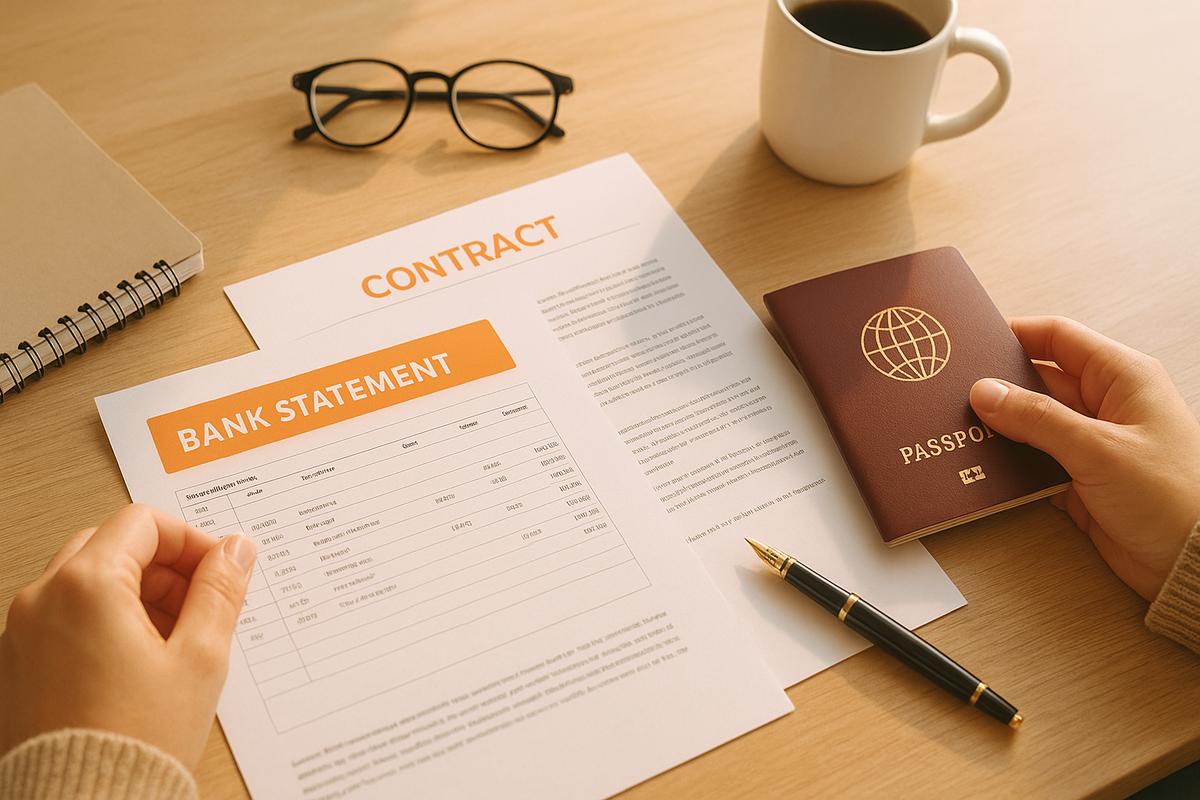
How to Prove Source of Funds: Documents Banks Ask For—Examples
Why banks ask for proof of funds 🏦
Banks review the source of funds to comply with anti‑money‑laundering and tax rules. When you buy property, being prepared with clear documentation speeds up approval and reduces requests for extra evidence.
Key principles before you start ✅
- Show a clear chain of funds: where the money came from and how it reached your account.
- Provide official documents that match transaction dates and amounts.
- If documents are in another language, get certified translations and, if required, notarisation.
- Add a short cover letter explaining the origin and route of funds — it helps the bank reviewer.
Typical documents banks ask for — examples by scenario 🔎
Salary and employment income
- Employment contract or service agreement.
- Recent payroll slips and bank statements showing salary credits.
- Employer income statement or tax returns.
Example: for funds coming from regular salary, attach the contract and bank statements that show the salary credits.
Sale of property or other assets
- Purchase/sale agreement and handover act.
- Official registration or title records.
- Bank statement showing receipt of funds from the buyer.
Example: make sure dates and amounts match across the sale contract, registration record, and the bank statement.
Inheritance or gift
- Probate documents or notarised inheritance certificates.
- Gift agreement and any tax filings if applicable.
- Bank evidence of the transfer.
Example: attach the official inheritance document plus the bank transfer showing the funds.
Personal loans and repayments
- Written loan agreement and proof of transfers.
- Receipts or bank statements showing repayment.
Example: for a large loan between individuals, a dated agreement and bank transfers reduce questions.
Business income or freelance earnings
- Financial statements, invoices, and client contracts.
- Tax filings and evidence of invoiced payments into your account.
Example: freelancers should show contracts, issued invoices, and corresponding bank receipts.
International transfers
- Contracts or documentation explaining the reason for the transfer (sale, salary, gift).
- SWIFT confirmations and correspondence with the sender.
Example: accompany an international transfer from a relative with a short explanation and proof of relationship if helpful.
Practical steps to prepare documents ⚙️
- Gather primary documents for each major incoming transaction: contracts, titles, tax records.
- Match dates and amounts across documents and bank statements.
- Prepare a one‑page timeline describing the flow of funds and reference the supporting files.
- Translate and notarise foreign documents if requested.
- Provide contact details of counterparties if the bank needs to verify.
Common mistakes to avoid 🚫
- Relying on verbal explanations — always back them up with documents.
- Presenting fragmented or unclear transfers instead of a coherent chain.
- Waiting until the last minute to collect paperwork — early preparation saves time.
If the bank asks for extra proof
Ask for a clear list of what’s missing and the deadline. Often supplying a matching contract or an additional bank statement resolves the issue. For complex cases, consult a lawyer or real estate agent familiar with local banks.
If you are preparing to buy property in Georgia and need help assembling documents or writing an explanatory statement, our team can assist you. Explore properties and start your search: https://buyhome.ge/en/search
Contact BuyHome — we’ll help you prepare the documents and make the purchase process smooth and predictable.
Date added: 13.07.26
Related articles






Related categories

How to choose an apartment
A practical guide to choosing an apartment in Georgia: key criteria, location assessment, document checks, and common buyer mistakes to avoid.

How to check a developer
A practical guide to checking a real estate developer in Georgia before purchase: documents, permits, risks, and legal safety.

Documents for purchase
A clear overview of documents required to purchase property in Georgia, including buyer and seller requirements, timelines, and key risks.

Transactions for foreigners
A clear overview of property transactions for foreigners in Georgia, including rules, restrictions, required documents, and key specifics.

Property registration
Property registration in Georgia: procedures, required documents, timelines, and key details for buyers and investors.

Apartment prices
Apartment prices in Georgia: market overview, differences by district and property type, and key factors shaping prices.
Benefits of buying property on BuyHome.ge

Best property prices
No commission for buyers
Up-to-Date Properties on the Website
Free property selection
Free transaction support
Free expert consultations

Submit a Request
for a Consultation!

2026 © All rights reserved